01
Stroke
Stroke may occur when blood flow to part of the brain is blocked or when a blood vessel ruptures. Prompt assessment helps determine the appropriate emergency treatment.
Ischaemic stroke Stroke intervention
Understanding brain blood vessel conditions, their evaluation, and the role of minimally invasive endovascular treatment.
Dr. Roopa Seshadri provides specialist neurovascular consultation for selected stroke-related conditions, cerebral aneurysms, vascular malformations and other disorders affecting blood flow in the brain.
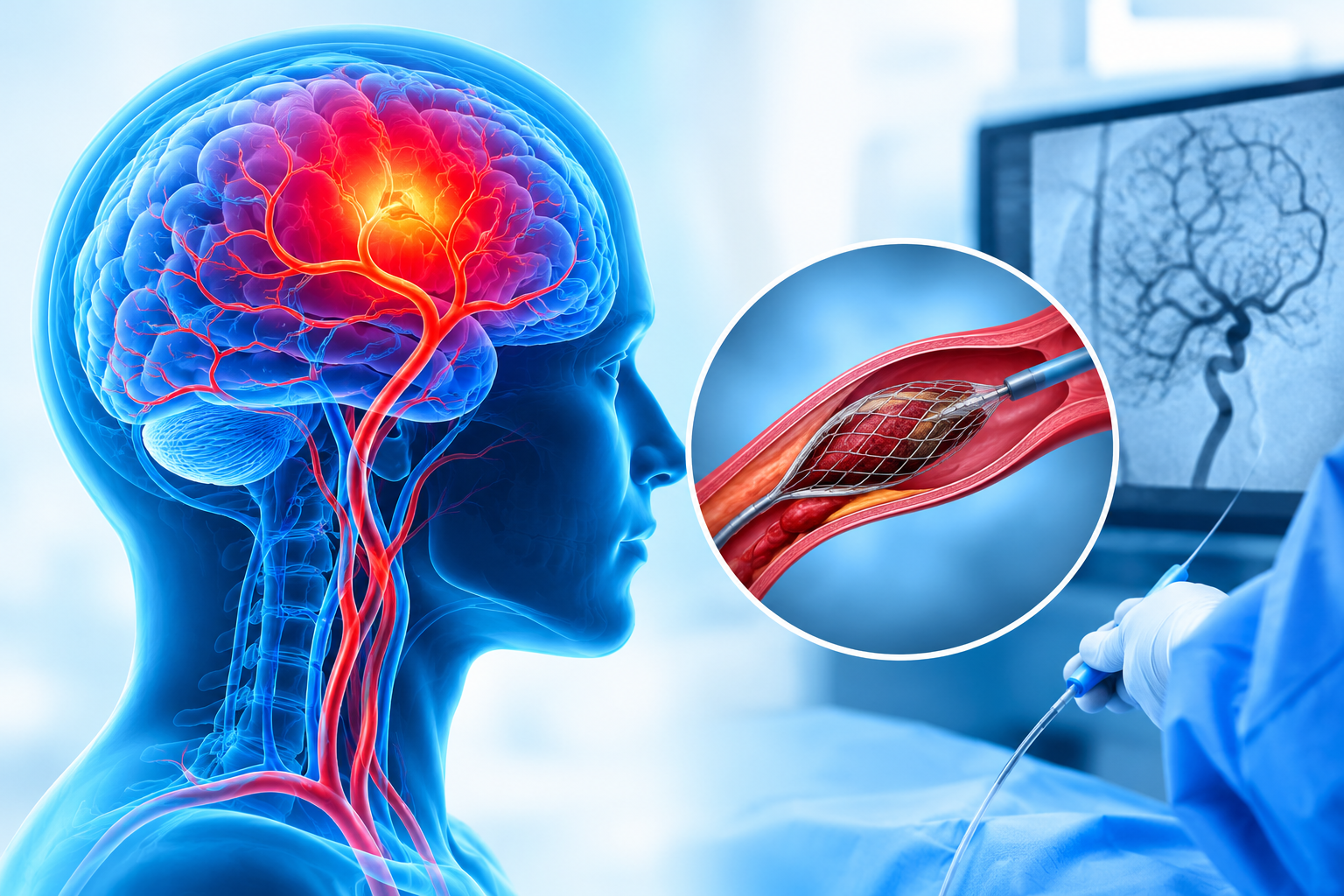
Neurovascular conditions affect the vessels supplying or draining the brain. Their assessment may involve clinical examination, brain and vascular imaging, laboratory investigations and specialist review. The appropriate management depends on the condition, its severity and the individual patient's circumstances.
Stroke may occur when blood flow to part of the brain is blocked or when a blood vessel ruptures. Prompt assessment helps determine the appropriate emergency treatment.
A cerebral aneurysm is an abnormal bulging of a brain blood vessel. Specialist assessment helps determine whether monitoring, intervention or another management approach is appropriate.
Arteriovenous malformations and fistulas involve abnormal connections between blood vessels. Imaging and specialist evaluation help guide decisions about observation or treatment.
CVT involves a blood clot in the brain's venous drainage system. Symptoms and management vary; prompt medical evaluation is important when it is suspected.
IIH is associated with increased pressure around the brain without an identified mass lesion. Assessment may include eye examination, neuroimaging and other investigations.
Narrowing or other abnormalities in arteries supplying the brain may affect circulation and stroke risk. Evaluation helps establish the significance of the findings and possible management options.
Pulsatile tinnitus is a rhythmic sound, often matching the heartbeat. Depending on the history and examination, assessment may include checking for vascular or other underlying causes.
Other brain and vascular abnormalities may require specialist review, detailed imaging and discussion of the potential benefits, limitations and risks of available approaches.
Neurointervention involves image-guided procedures used to evaluate or treat selected conditions affecting blood vessels of the brain and nervous system. Depending on the indication, a specialist may use a catheter introduced through a blood vessel to reach the treatment site.
Review symptoms, medical history and relevant imaging to understand the condition.
Consider appropriate treatment options, potential risks, alternatives and expected follow-up.
If intervention is appropriate, the care plan includes procedural assessment and follow-up arrangements.
Bringing relevant medical records can help the specialist understand your clinical history.
Bring relevant discharge summaries, consultation notes and previous diagnoses.
Carry available CT, MRI, angiography reports and images, if applicable.
Bring your current medication list, including prescribed blood thinners.
Note symptom onset, changes over time, relevant conditions and previous treatments.
For suspected acute stroke or another medical emergency, do not delay emergency care to collect documents or arrange a routine appointment.
For consultation availability and information about the assessment of stroke and neurovascular conditions, please use the contact details below.